
Beyond Partnership: How One Library Branch Helped Spark Something Bigger
It started with a Google search.
Staff at the Hilltop Branch of the Columbus Metropolitan Library were paying attention to who walked through their doors every day. They saw the needs of their neighbors and wanted to do something about it. When guests started asking about free haircuts and shaves, the Hilltop team went looking for someone who could help. A single email later, they found us.
That says everything about why this partnership works.
Library staff aren't caseworkers, but they see the same people every day. They know who comes in to get warm. They know who is job hunting on the public computers. They know the regulars, the new faces, the people who look like they could use a conversation. Libraries have always been one of the few places that let people just exist without asking why they're there. And the staff at Hilltop weren't just watching. They were actively trying to figure out how to do more for the people they saw every day.
So when we connected, it felt less like a new partnership and more like two groups of people who cared about the same neighborhood finally finding each other.
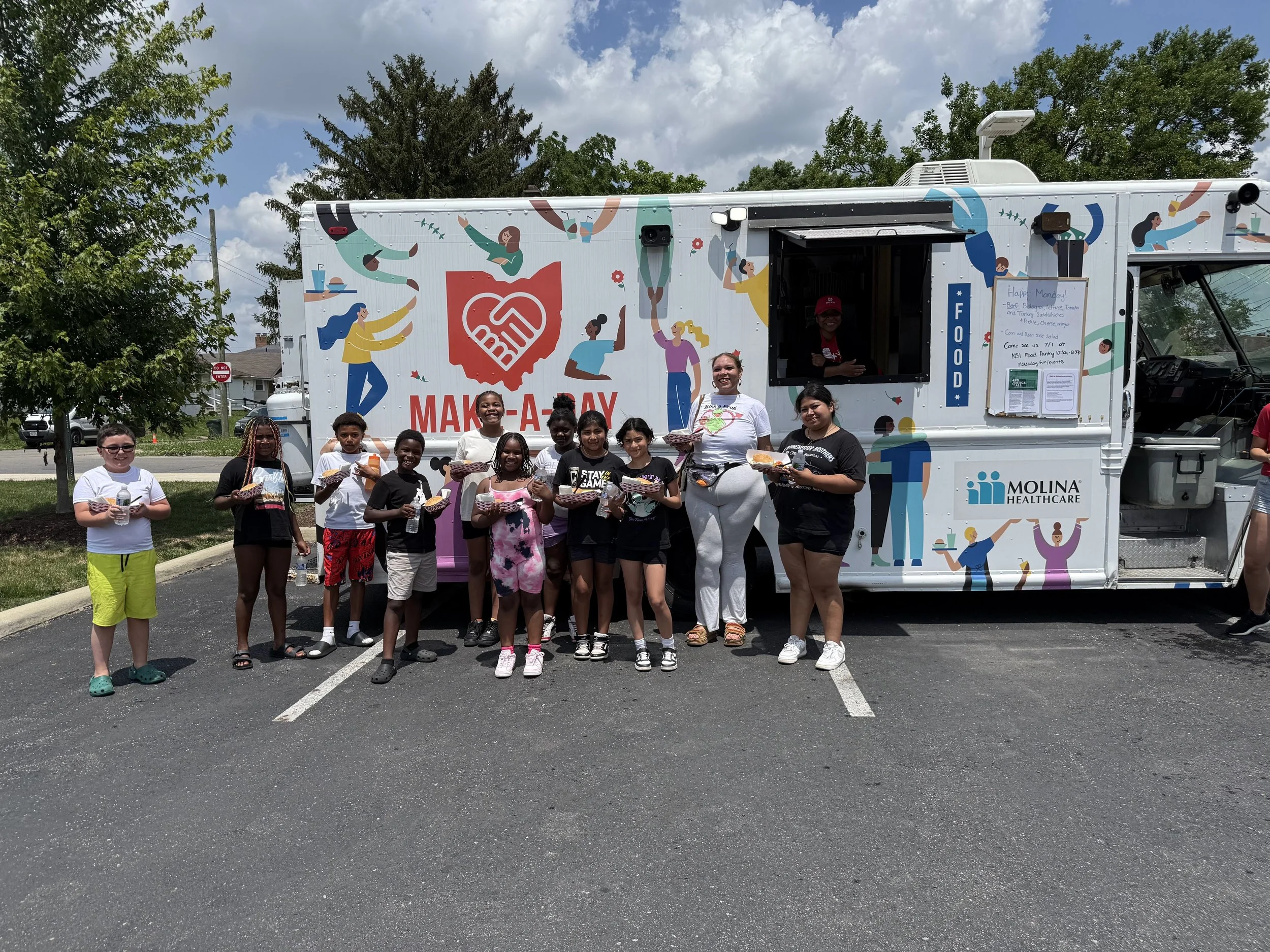
In the spring of 2025, we began showing up monthly with our food truck and our team. We shared meals and worked alongside neighbors. We helped people find shelter. We connected people with substance use support. Our partners brought overdose prevention supplies and sat with people long enough to figure out what they actually needed. Library staff did what they had always done: they paid attention. When they saw someone struggling, they told them about us. When we saw someone who needed more than we could offer that day, we figured out together where to go next.
Over the course of the year at Hilltop, we served more than 1,000 meals and had nearly 1,800 interactions with neighbors. That's a year of monthly visits, of the same faces starting to recognize our truck, of library staff pulling someone aside and saying "you should talk to them." Trust doesn't happen at a single event. It accumulates.
When we brought our newest initiative, Move the Box, to Hilltop in October, the community showed up because we had already shown up for them. We worked with legal partners, judges, the BMV, and the Office of the Ohio Public Defender to make sure that no matter where someone was in the expungement process, they would leave having taken at least one step forward.
That day was one example of something that happens across our work: throughout the year, 25+ individual partner organizations showed
up alongside us to make this kind of access possible. The library’s door count doubled their usual, with 500 attending specifically for Move the Box. Our food truck served 250 meals before selling out. Over 60 expungements were completed onsite.
One of those people was a mom homeschooling her kids at a library table when she noticed a sign that said "expungement applications." She wasn't there for that. She whispered, "I need that," walked over, and became the first person to complete the process that day. Nobody referred her. Nobody found her in a database. She was just in a place she already trusted, and we were there.
That's what this partnership makes possible. Not a program placed in a building, but what happens when two groups of people who care about the same neighborhood decide to pay attention together.
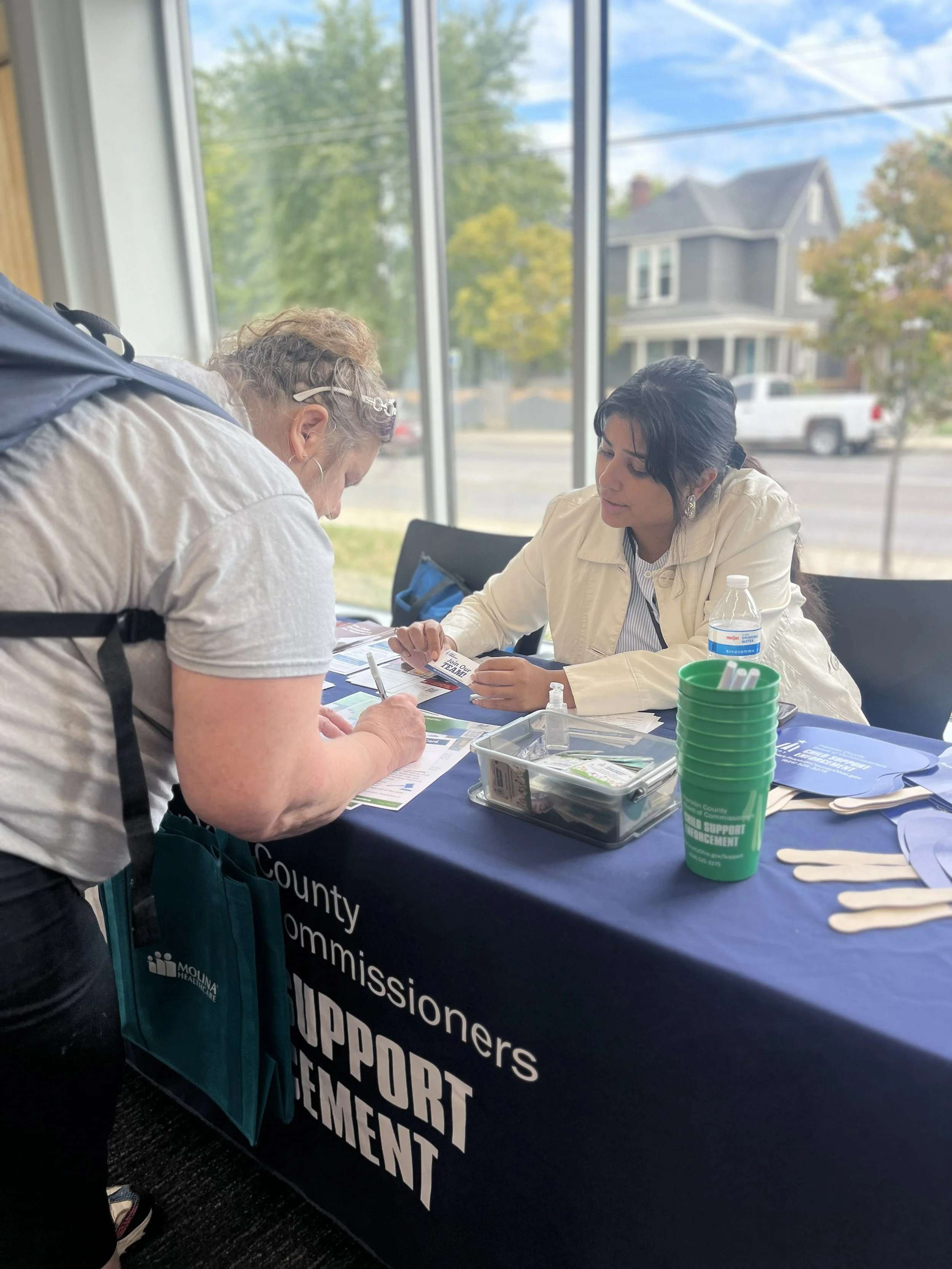
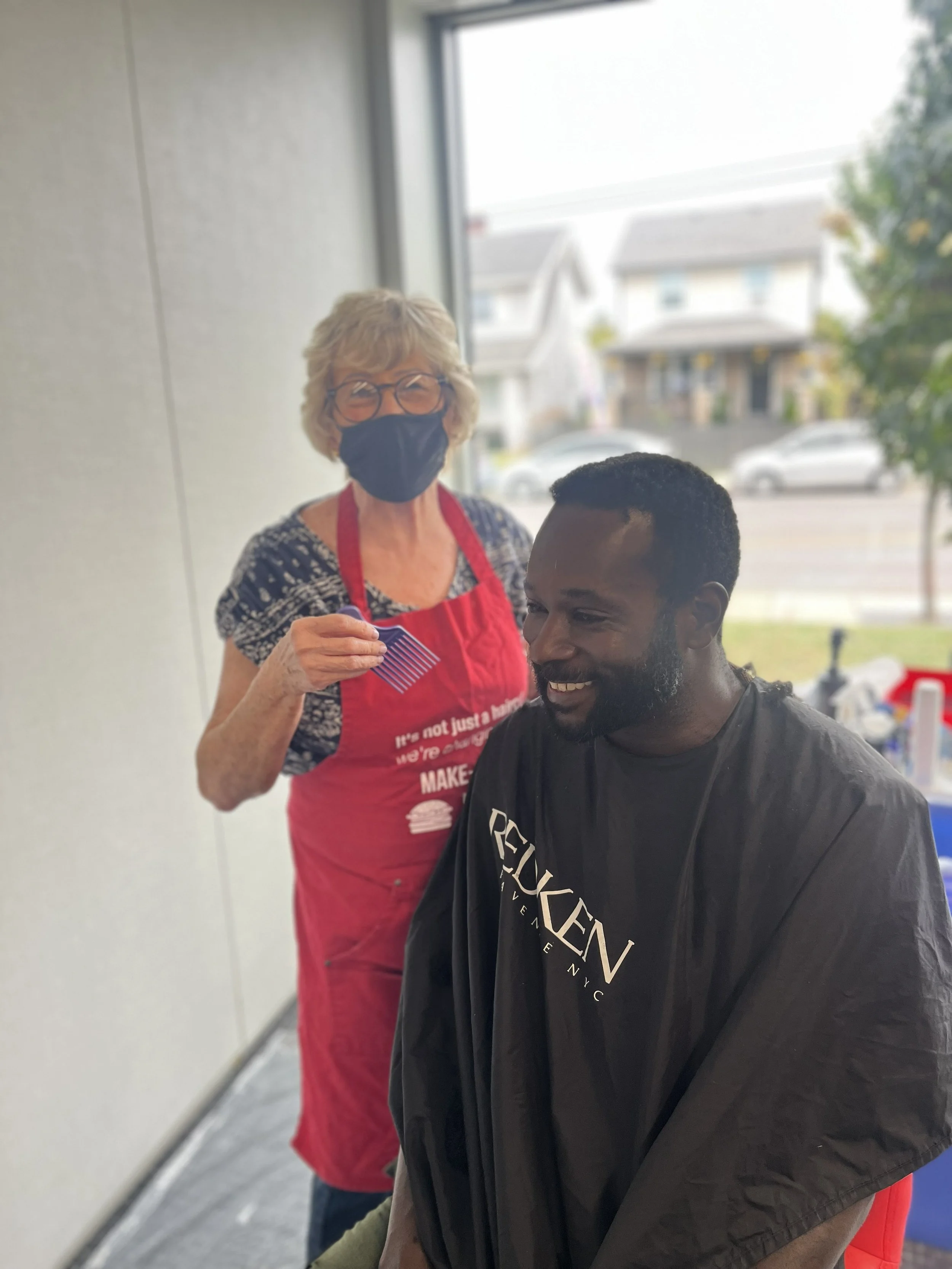
That relationship has grown to more than five CML branches now, including Northern Lights, Parsons, Whitehall, Franklinton, and Marion-Franklin, each one a place where staff already know their community and where our work can land because the ground has already been prepared. Most of the people we serve have experienced systems that required them to prove their need before receiving help. The library never asked that of anyone. We try not to either.
When we get that right, people walk in for one thing and leave with something they didn't know was available to them. Sometimes that's a cleared record. Sometimes it's a shelter bed or a harm reduction kit or a conversation that points them somewhere new. Sometimes it's smaller than that: just the feeling that someone in their neighborhood knows they exist and is glad they came.
It all started with a single email. And it has grown into something neither of us could have built alone.