
Stability Means Moving Forward
“I didn’t think we were gonna make it through the winter.”
This was something felt and expressed by many of the guests we served this winter.
If you’re from the Midwest you know, winter changes everything. How we dress, what we eat, what we do, the people we see, and at the most basic level, how or if we survive.
The urgency sharpens. The margin for error disappears. And for people living outside, the difference between getting through the season and not can come down to a single night.
Our team has previously spent winter outreach days supporting traditional warming centers, bringing services into crowded rooms, helping people get through the cold. That work matters. It saves lives.
But this winter, we stepped into something a little different.
Rather than just keeping people safe, we focused on getting people housed.
A Model Beyond Typical Shelter
Traditional warming centers are built for immediacy. A place to sleep. A way to get inside. A response to cold.
But for people with the highest barriers to housing, a place to sleep is not enough, or not accessible.
Pets medical needs, mobility and behavioral limitations, or past trauma all keep our most vulnerable neighbors out of shelter in the winter. The solution is a place that can accommodate for these barriers, provide wrap around support, and give individualized care to guests as the progress towards housing.
That’s what the Winter Warming Center Hotel Program set out to provide.
In partnership with the Community Shelter Board, Nate Smith Logistics, Mount Carmel and Southeast Healthcare street outreach, and various other service organizations - and funding from our City of Columbus and Franklin County partners - we helped provide a non-congregate winter warming shelter designed specifically for people who could not safely access or remain in traditional shelter environments.
On average, participants had been navigating homelessness for nine years. The system had already told them “no” in a hundred different ways. This model said, “stay.”
Make-A-Day’s Role on the Inside
Rooms replaced mats on the floor. Doors replaced open space. Predictability replaced survival mode. Alongside that stability, our role deepened.
We became the primary case management and stabilization partner working onsite to remove the barriers that most often derail housing:
Missing IDs and documentation
Delayed benefits
Legal complications
Transportation gaps
Missed appointments that cost people their placement
Every week, we sat down with outreach partners from Mount Carmel and Southeast Healthcare to review every participant, every opening, every opportunity to move someone forward. Because for many people we meet, there is only one real avenue to housing.
What Happens When People Can Stay
77 individuals served through the program
80.7% of exits resulted in Permanent Supportive Housing (that’s more than double the Franklin County shelter system average of 35%, for those keeping track)
Fewer than three police calls and two emergency room visits (both unrelated to weather or substance use)
Zero overdoses
For participants who received a housing referral while stabilized in the hotel, placement happened in an average of 35 days.
This program was about more than just about getting people indoors. Hotel-to-Housing programs, are designed to hold folks steady long enough to move them forward.
The same factors that made shelter difficult are exactly what makes stability essential for moving forward. And when those barriers were met with the right environment and support, outcomes changed.
What This Means Going Forward
Before the season ended, more than 50 people from this program moved into housing, more than doubling housing outcomes from previous winter efforts. Each one represents someone who had been stuck in the system for years. Until, finally, wasn’t.
This is what happens when people are given:
Stable shelter
Consistent, relationship-based support
A system that removes obstacles instead of adding them
The takeaway is clear.
If we want better housing outcomes, we need to build for stability, not just survival.
What Comes Next
We’re already asking the next question: What would it look like to make this model year-round? Because homelessness doesn’t end when winter does. And neither should the solutions that work.
Media Coverage
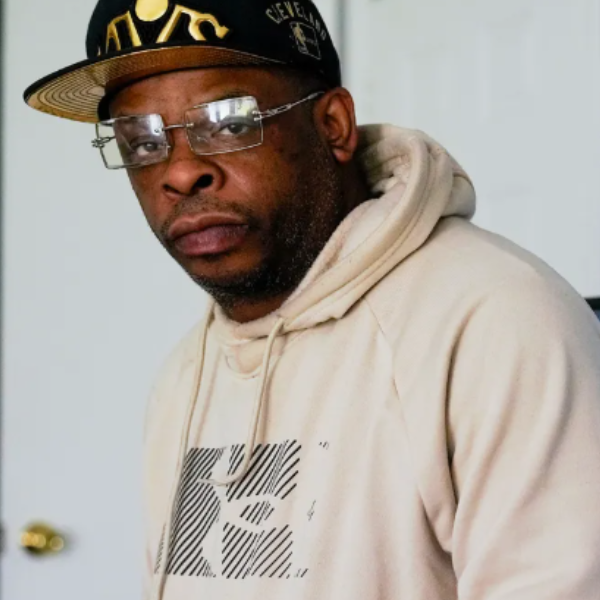
Hotel warming center gets dozens off the streets, into permanent homes
4/2/26 Columbus Dispatch
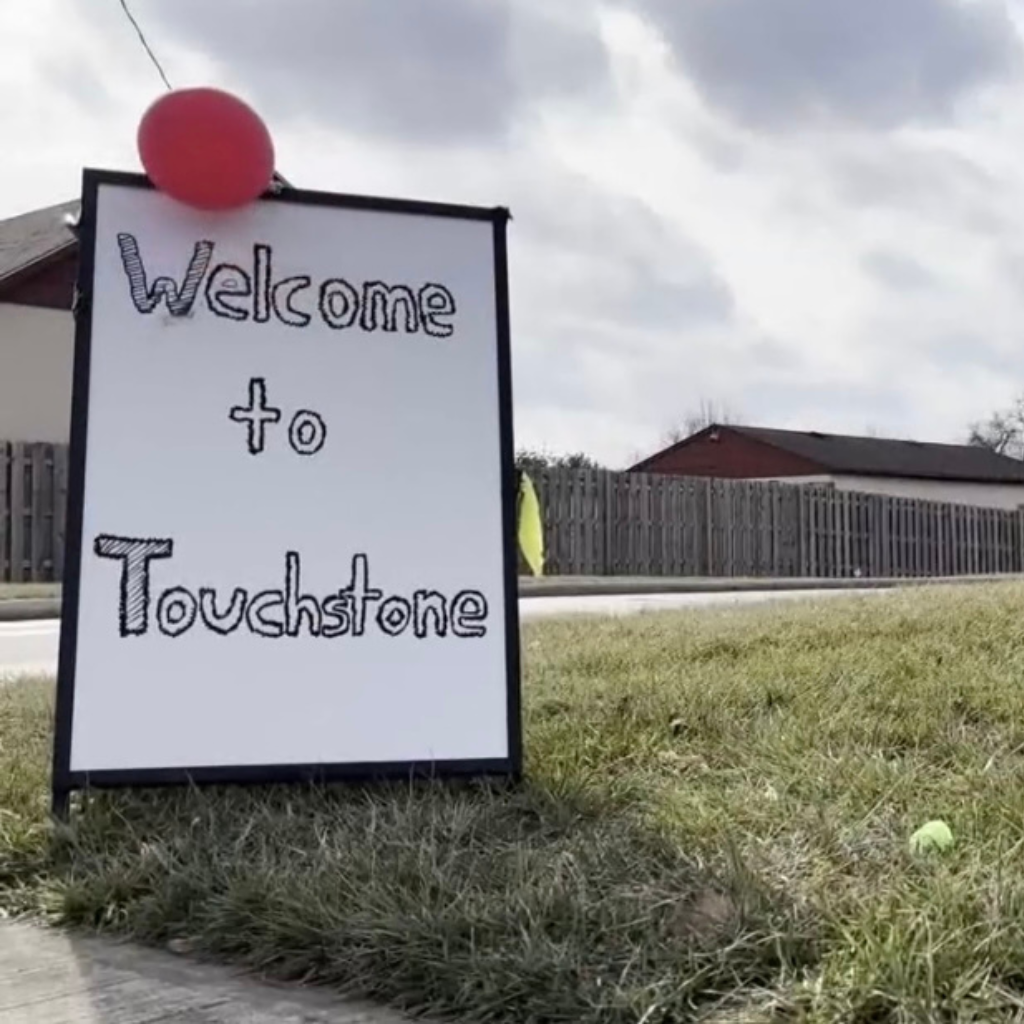
'Everybody needs a home': From streets to hotel to housing, one woman's moving day
3/3/26 10 WBNS
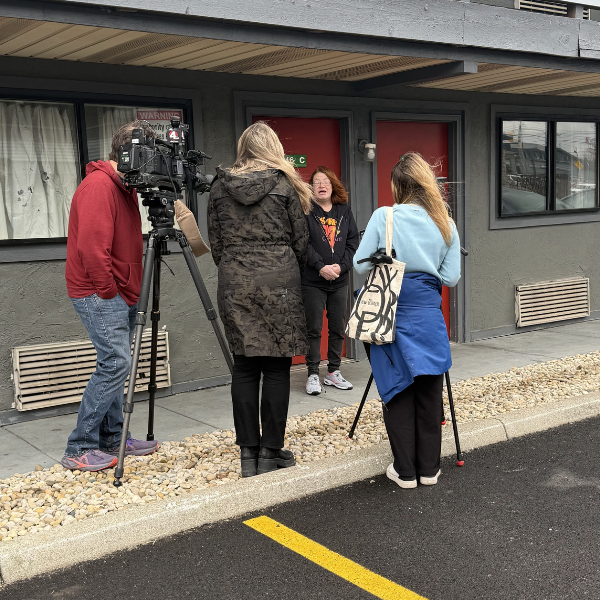
Helping get homeless Ohioans into housing
2/19/26 NBC 4
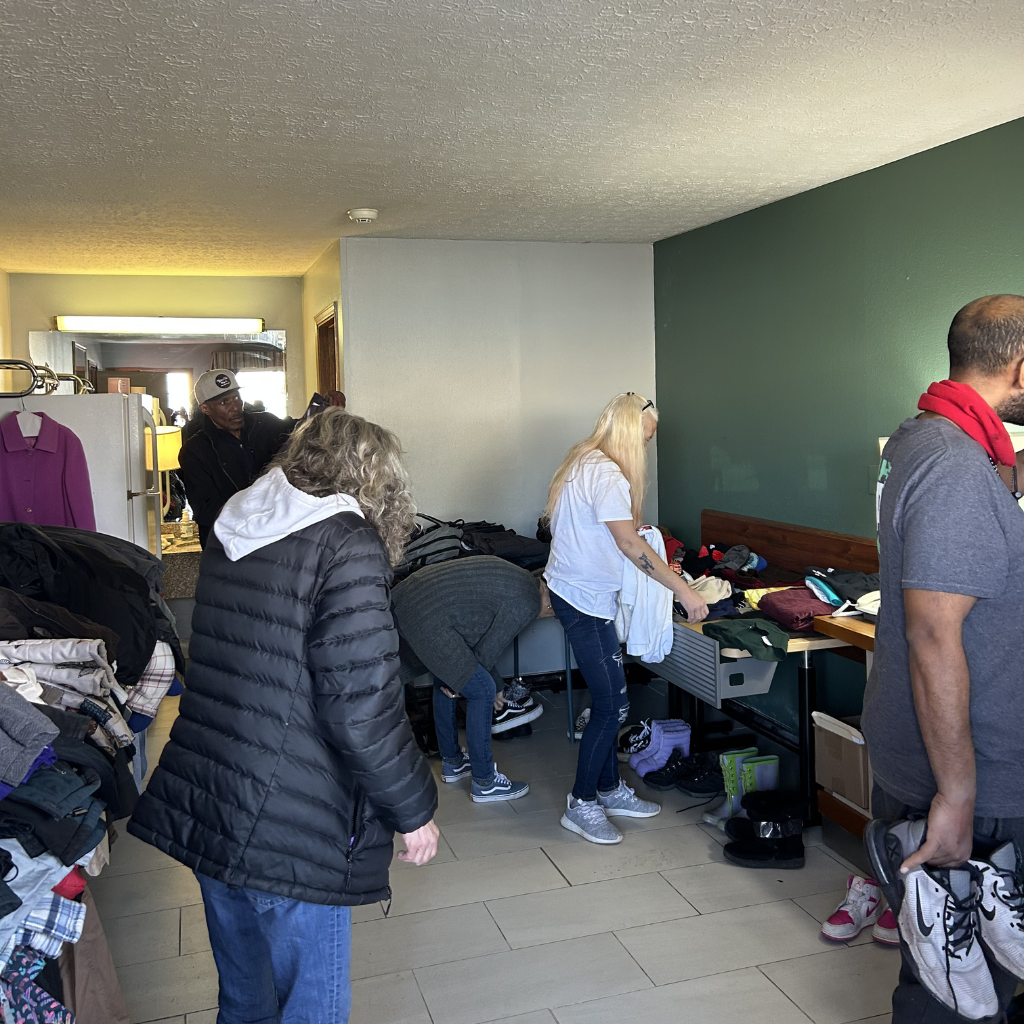
Columbus' hotel-to-housing shelter works in the winter. What about year-round?
1/21/26 Columbus Dispatch