
If I don’t get some kind of assistance soon, I don’t know what I’m going to do.

Ron first met the Make-A-Day team during a street outreach session at the Hilltop Library. At the time, he was not seeking housing assistance. He was hoping for a meal. After nearly a decade of moving between friends’ couches and shelters, he was tired and discouraged. He had worked hard to manage his situation on his own, but every attempt to move forward seemed to end in another setback.
Not long before, Ron had celebrated more than 25 years of sobriety. Shortly after, a series of personal and financial stressors led to eviction and the loss of housing he had worked years to maintain. Ron still had income and a strong desire to regain stability, but the path back into housing felt increasingly out of reach.
When a member of the outreach team asked where he was staying, Ron paused before answering.
“If I don’t get some kind of assistance soon,” he said, “I don’t know what I’m going to do.”
Ron had tried to navigate housing systems before. Like many people experiencing housing insecurity, he was often given referrals or phone numbers, but little follow-up. When applications stalled, documents were missing, or eligibility requirements changed, the process stopped. Over time, those experiences made him hesitant to trust that support would be different.
When Vanessa Baldwin, Make-A-Day’s Community Impact Manager, began working with Ron, he was open about his doubts.
“He told me he had been doing this for a long time,” Vanessa said. “He wasn’t sure anything would come from it.”
Vanessa understood that progress would take time. Rather than moving quickly to solutions, she focused on building trust through consistency. When she said she would follow up, she did. When paperwork or phone calls became barriers, she stayed engaged. Slowly, that consistency mattered.
Ron’s challenges were not due to a lack of effort. Even when he found apartments within his budget, the upfront costs made securing housing difficult. Security deposits, first month’s rent, renter’s insurance requirements, and additional fees added up quickly.
In Columbus, the median rent for a one-bedroom apartment is $1,445 per month. To afford that while spending no more than 30% of income on housing (anything above is considered housing-burdened, aka shifting away from an affordable housing experience), a person would need to earn nearly $28 an hour working full time. Ron’s income could not cover both rent and the growing list of move-in costs.
Utilities created further obstacles. Landlords required services to be activated before move-in, but past-due balances made reconnection difficult. Ron also faced administrative challenges, including lost application fees, unclear documentation requests, and inconsistent communication from property managers. Each step required more time, energy, and resources.
The process became overwhelming.
A turning point came when Vanessa contacted a property manager directly to advocate for Ron. She explained his situation and Make-A-Day’s commitment to supporting him throughout the process. That conversation helped establish trust and allowed Ron’s application to move forward.
After that, Ron became increasingly engaged. He showed up for appointments, followed through on goals, and took initiative when new steps were needed. Vanessa provided COTA bus passes so transportation would not stand in the way of apartment searches or appointments. She continued coordinating with property management and partner agencies to keep the process moving.
With that support, Ron secured a lease.
Vanessa continued working with Ron to address outstanding utility balances and connect him to assistance programs. Make-A-Day helped coordinate support for his security deposit and first month’s rent. When renter’s insurance became a barrier because Ron did not have a bank account, Vanessa transported him to an insurance agent who could work with his circumstances. On moving day, Vanessa loaded the van and drove Ron to his new home.
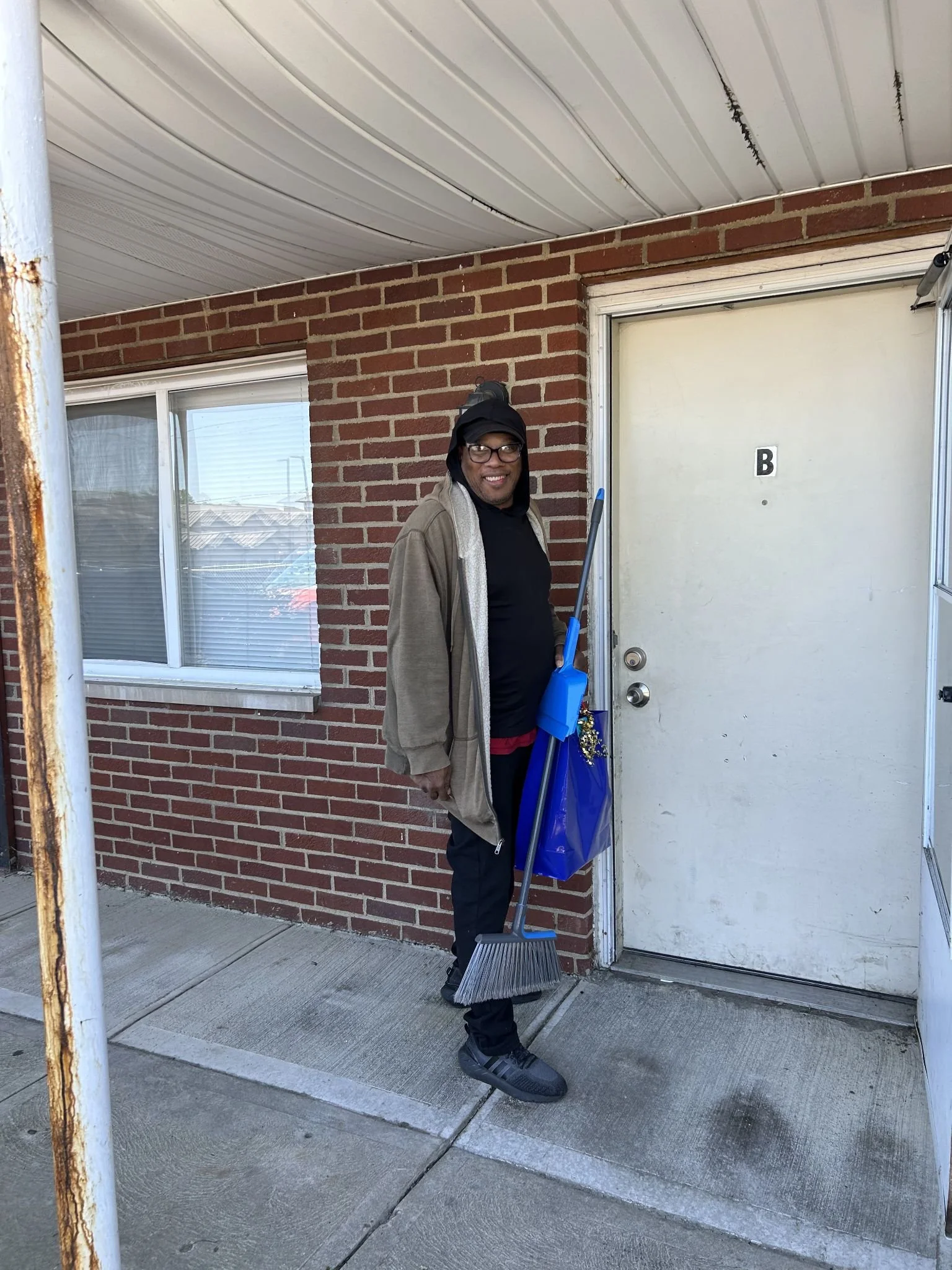
As Ron’s situation stabilized, the focus of support shifted. What began as a need for shelter became a need for long-term stability. Vanessa continues to stay in touch with Ron (learn more about our MAD Solutions pathway), offering support with budgeting and ensuring bills are paid on time. Make-A-Day remains part of his support system as he adjusts to this new chapter.
Reflecting on his experience, Ron has shared that sobriety, savings, and persistence all played important roles in his journey. He is also clear that navigating housing systems alone would not have led to the same outcome. Advocacy, relationships, and ongoing support made the difference.
Ron’s story highlights the many barriers people face when trying to re-enter housing, especially while managing recovery and limited resources. With consistent, hands-on support from Make-A-Day, Ron was able to secure stable housing and move forward with renewed independence.
This work continues every day. Make-A-Day remains committed to supporting guests through each step of the process, from initial outreach to long-term stability, ensuring no one has to navigate these systems alone.